Buy igyx.com ?
We are moving the project
igyx.com .
Are you interested in purchasing the domain
igyx.com ?
domain@kv-gmbh.de · 0541-91531010
Buy igyx.com ?
How can you convert a bicycle to a road bike handlebar?
To convert a bicycle to a road bike handlebar, you will need to replace the existing handlebar with a road bike handlebar. First, remove the existing handlebar by loosening the stem and sliding it off. Then, install the road bike handlebar by sliding it onto the stem and adjusting it to the desired position. Make sure to reattach the brake levers, shifters, and grips to the new handlebar. Finally, adjust the handlebar angle and height to ensure a comfortable riding position. **
Is the bicycle handlebar bent?
Without a visual reference, it is difficult to determine if the bicycle handlebar is bent. However, if the handlebar appears to be uneven or misaligned, it may be a sign that it is bent. It is important to inspect the handlebar closely for any visible signs of damage or deformation. If there is any doubt about the condition of the handlebar, it is best to have it checked by a professional bike mechanic. **

Similar search terms for Bike-Handlebar-Extender-Bicycle
Top-Angebote
Products related to Bike-Handlebar-Extender-Bicycle:

-
Is the bicycle handlebar loose?
To determine if the bicycle handlebar is loose, you can try to wiggle it from side to side. If there is noticeable movement or if the handlebar feels unstable, then it is likely that it is loose. Additionally, you can visually inspect the handlebar stem and bolts to see if they are properly tightened. If you are unsure, it is best to have a professional bike mechanic check and adjust the handlebar to ensure it is secure and safe to use. **
-
Isn't the bicycle handlebar tight?
Yes, the tightness of the bicycle handlebar is important for safety and control while riding. A loose handlebar can lead to instability and difficulty steering, while an overly tight handlebar can make it hard to turn. It's important to find the right balance and ensure that the handlebar is securely fastened to the bike frame to maintain safe and comfortable riding conditions. Regular maintenance and checks can help ensure that the handlebar is properly adjusted. **
-
Does every handlebar fit every bicycle?
No, not every handlebar fits every bicycle. Handlebars come in different shapes, sizes, and styles, and they need to be compatible with the specific type of bike. Factors such as the diameter of the handlebar, the type of stem, and the intended use of the bike all play a role in determining whether a handlebar will fit a particular bicycle. It is important to ensure that the handlebar is compatible with the bike's stem and that it provides the desired riding position and comfort. **
-
'Which extension for this bicycle handlebar?'
The best extension for this bicycle handlebar would be a set of bar ends. Bar ends provide additional hand positions for the rider, allowing for more comfort and control during long rides. They also provide extra leverage for climbing and can help reduce hand fatigue. Overall, bar ends are a versatile and practical extension for this type of handlebar. **
Can the bicycle handlebar turn completely?
Yes, the bicycle handlebar can turn completely. The handlebar is connected to the front wheel through the fork and allows the rider to steer the bike in any direction. By turning the handlebar, the front wheel can be turned completely to the left or right, allowing the bike to make sharp turns or change direction. However, the range of motion may be limited by the design of the bike and the length of the handlebar stem. **
For which bicycle is the handlebar?
The handlebar is for the bicycle, as it is an essential component that allows the rider to steer and control the bike. The handlebar is where the rider grips and applies force to change the direction of the bicycle. It is typically located at the front of the bike, connecting to the stem and fork. **
Top-Angebote
Products related to Bike-Handlebar-Extender-Bicycle:
-
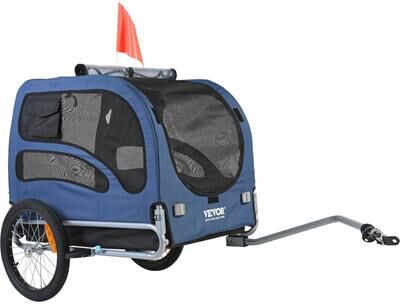
Inspire Essentials SucceBuy Foldable Pet Bike Trailer And Bicycle Carrier SucceBuy Foldable Pet Bike Trailer And Bicycle CarrierTake your furry companion on more outdoor adventures with this durable dog bike trailer designed for comfort safety and convenient travel. Built to support pets up to 100 pounds, this spacious bicycle carrier allows dogs to enjoy bike rides...264,98 $*Shipping: 0,00 $Secure redirect to the provider
-
How can you convert a bicycle to a road bike handlebar?
To convert a bicycle to a road bike handlebar, you will need to replace the existing handlebar with a road bike handlebar. First, remove the existing handlebar by loosening the stem and sliding it off. Then, install the road bike handlebar by sliding it onto the stem and adjusting it to the desired position. Make sure to reattach the brake levers, shifters, and grips to the new handlebar. Finally, adjust the handlebar angle and height to ensure a comfortable riding position. **
-
Is the bicycle handlebar bent?
Without a visual reference, it is difficult to determine if the bicycle handlebar is bent. However, if the handlebar appears to be uneven or misaligned, it may be a sign that it is bent. It is important to inspect the handlebar closely for any visible signs of damage or deformation. If there is any doubt about the condition of the handlebar, it is best to have it checked by a professional bike mechanic. **
-
Is the bicycle handlebar loose?
To determine if the bicycle handlebar is loose, you can try to wiggle it from side to side. If there is noticeable movement or if the handlebar feels unstable, then it is likely that it is loose. Additionally, you can visually inspect the handlebar stem and bolts to see if they are properly tightened. If you are unsure, it is best to have a professional bike mechanic check and adjust the handlebar to ensure it is secure and safe to use. **
-
Isn't the bicycle handlebar tight?
Yes, the tightness of the bicycle handlebar is important for safety and control while riding. A loose handlebar can lead to instability and difficulty steering, while an overly tight handlebar can make it hard to turn. It's important to find the right balance and ensure that the handlebar is securely fastened to the bike frame to maintain safe and comfortable riding conditions. Regular maintenance and checks can help ensure that the handlebar is properly adjusted. **
Similar search terms for Bike-Handlebar-Extender-Bicycle
-
Does every handlebar fit every bicycle?
No, not every handlebar fits every bicycle. Handlebars come in different shapes, sizes, and styles, and they need to be compatible with the specific type of bike. Factors such as the diameter of the handlebar, the type of stem, and the intended use of the bike all play a role in determining whether a handlebar will fit a particular bicycle. It is important to ensure that the handlebar is compatible with the bike's stem and that it provides the desired riding position and comfort. **
-
'Which extension for this bicycle handlebar?'
The best extension for this bicycle handlebar would be a set of bar ends. Bar ends provide additional hand positions for the rider, allowing for more comfort and control during long rides. They also provide extra leverage for climbing and can help reduce hand fatigue. Overall, bar ends are a versatile and practical extension for this type of handlebar. **
-
Can the bicycle handlebar turn completely?
Yes, the bicycle handlebar can turn completely. The handlebar is connected to the front wheel through the fork and allows the rider to steer the bike in any direction. By turning the handlebar, the front wheel can be turned completely to the left or right, allowing the bike to make sharp turns or change direction. However, the range of motion may be limited by the design of the bike and the length of the handlebar stem. **
-
For which bicycle is the handlebar?
The handlebar is for the bicycle, as it is an essential component that allows the rider to steer and control the bike. The handlebar is where the rider grips and applies force to change the direction of the bicycle. It is typically located at the front of the bike, connecting to the stem and fork. **
* All prices are inclusive of VAT and, if applicable, plus shipping costs. The offer information is based on the details provided by the respective shop and is updated through automated processes. Real-time updates do not occur, so deviations can occur in individual cases. ** Note: Parts of this content were created by AI.