Buy igyx.com ?
We are moving the project
igyx.com .
Are you interested in purchasing the domain
igyx.com ?
domain@kv-gmbh.de · 0541-91531010
Buy igyx.com ?
How large is the molarity?
The molarity is a unit of concentration that measures the number of moles of solute per liter of solution. It is a measure of the concentration of a solution and is expressed in moles per liter (mol/L). The molarity can vary depending on the amount of solute and solvent present in the solution. **
How do you calculate molarity?
Molarity is calculated by dividing the number of moles of solute by the volume of the solution in liters. The formula for molarity (M) is: Molarity = moles of solute / liters of solution. This calculation allows you to determine the concentration of a solution in terms of the number of moles of solute per liter of solution. **

Similar search terms for Molarity
Top-Angebote
Products related to Molarity:
-
Sesderma Reti Age 5 Liposomal Serum Anti-Aging Innovation 30mLA facial serum for wrinkles and signs of ageing. Reduces wrinkles and fine lines. Hydrates and strengthens barrier. Restores youthful radiance. 5-Retinoid System: smooths wrinkles, accelerates renewal, and boosts collagen. Biomimetic Peptides: fill expression lines by stimulating collagen synthesis.41,69 £*Shipping: 5,34 £Secure redirect to the provider
-
Multisell Products Hub Magnetic Bottle Opener For Household Mineral Water Plastic Beverage Bottles And Cap Opening, Kitchen Accessories Gadgets whiteEffortless Cap Opening for Everyday Kitchens Upgrade your routine with this 1 pcs Kitchen Accessories Gadgets Magnetic Bottle Opener for Household Mineral Water Plastic Beverage Bottles and Cap Opening designed for convenience and comfort. It makes...34,97 $*Shipping: 0,00 $Secure redirect to the provider
-
Innovation: Fourth Edition Board Game by Asmadi Games for 2-4 PlayersInnovation: Fourth Edition is a strategic card game for 2–4 players. Build a civilization through ideas, inventions, and cultural advances by developing technologies and sharing achievements. Each card can provide different benefits depending on how it's used, creating varied strategies and unexpected shifts throughout the game. This edition includes updated artwork and streamlined rules for the expansions, as well as Age 11 cards for each set and the new expansion, The Unseen, which adds further possibilities to the core experience. With hundreds of cards and numerous combinations, every game can unfold differently.17,79 £*Shipping: 1,99 £Secure redirect to the provider
-
Microsoft Office 5 DevicesMicrosoft Office 5 Devices. Lifetime licence for 5 devices, delivered digitally by email. Includes essential productivity applications for work and home, multilingual support where available, official download access and installation guidance. No physical product or shipping is required.249,95 £*Shipping: 0,00 £Secure redirect to the provider




-
What is the molarity of H3O+?
The molarity of H3O+ can be calculated using the formula: Molarity = moles of solute / liters of solution. The molarity of H3O+ in pure water at 25°C is 1.0 x 10^-7 M, as water undergoes autoionization to produce H3O+ and OH- ions. This means that at equilibrium, the concentration of H3O+ ions is 1.0 x 10^-7 M. **
-
What is the molarity of concentrated nitric acid?
The molarity of concentrated nitric acid is typically around 16-18 M (moles per liter). This high concentration makes it a strong acid that is commonly used in various chemical reactions and industrial processes. It is important to handle concentrated nitric acid with care due to its corrosive nature and potential hazards. **
-
What is the difference between molality and molarity?
Molality and molarity are both measures of concentration, but they are calculated differently. Molarity is the number of moles of solute per liter of solution, while molality is the number of moles of solute per kilogram of solvent. This means that molarity depends on the volume of the solution, while molality depends on the mass of the solvent. As a result, molality is a more accurate measure of concentration when there are changes in temperature, as volume can change with temperature but mass remains constant. **
-
How are the pH value, normality, and molarity calculated?
The pH value is calculated using the formula pH = -log[H+], where [H+] is the concentration of hydrogen ions in a solution. Normality is calculated by multiplying the molarity of a solution by the number of equivalents of the solute. Molarity is calculated by dividing the number of moles of solute by the volume of the solution in liters. These calculations are important in chemistry for determining the concentration and acidity/basicity of a solution. **

Isn't the molar concentration the same as the molarity?
Yes, molar concentration and molarity are essentially the same thing. Both terms refer to the amount of a substance (in moles) dissolved in a given volume of solution (in liters). Molarity is the more commonly used term, but both can be used interchangeably to describe the concentration of a solution. **
Can you please explain to me how to calculate molarity?
Molarity is a measure of the concentration of a solute in a solution. It is calculated by dividing the number of moles of solute by the volume of the solution in liters. The formula for calculating molarity is: Molarity (M) = moles of solute / liters of solution. To calculate molarity, you first need to determine the number of moles of solute present in the solution, then divide that by the volume of the solution in liters. **
Top-Angebote
Products related to Molarity:
-
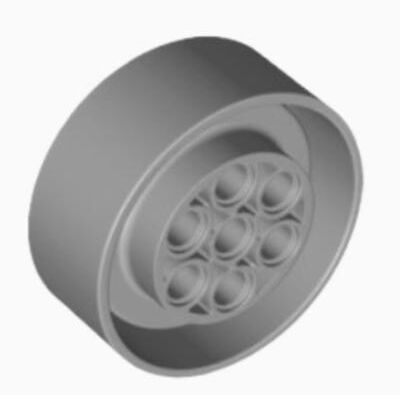
Lush Living Finds Perforated Brick Assembly Toy Accessories With Technology Mechanical Wheels Perforated Brick Assembly Toy Accessories With Technology Mechanical WheelsEnhance Creativity with Technology Mechanical Wheels Unlock the power of innovation with our technology mechanical wheels, designed specifically for perforated brick assembly toy accessories. Whether you are a hobbyist or a seasoned builder, these...43,97 $*Shipping: 0,00 $Secure redirect to the provider
-
Klutz: LEGO GadgetsThis activity kit will have you building 11 machines including a gravity powered car and a wacky boxing robot. The fun doesn't stop once you've completed all of the projects in the book - open-ended prompts will inspire you to continue experimenting...24,99 $*Shipping: 0,00 $Secure redirect to the provider
-
Sesderma Reti Age 5 Liposomal Serum Anti-Aging Innovation 30mLA facial serum for wrinkles and signs of ageing. Reduces wrinkles and fine lines. Hydrates and strengthens barrier. Restores youthful radiance. 5-Retinoid System: smooths wrinkles, accelerates renewal, and boosts collagen. Biomimetic Peptides: fill expression lines by stimulating collagen synthesis.41,69 £*Shipping: 5,34 £Secure redirect to the provider
-
Multisell Products Hub Magnetic Bottle Opener For Household Mineral Water Plastic Beverage Bottles And Cap Opening, Kitchen Accessories Gadgets whiteEffortless Cap Opening for Everyday Kitchens Upgrade your routine with this 1 pcs Kitchen Accessories Gadgets Magnetic Bottle Opener for Household Mineral Water Plastic Beverage Bottles and Cap Opening designed for convenience and comfort. It makes...34,97 $*Shipping: 0,00 $Secure redirect to the provider
-
How large is the molarity?
The molarity is a unit of concentration that measures the number of moles of solute per liter of solution. It is a measure of the concentration of a solution and is expressed in moles per liter (mol/L). The molarity can vary depending on the amount of solute and solvent present in the solution. **
-
How do you calculate molarity?
Molarity is calculated by dividing the number of moles of solute by the volume of the solution in liters. The formula for molarity (M) is: Molarity = moles of solute / liters of solution. This calculation allows you to determine the concentration of a solution in terms of the number of moles of solute per liter of solution. **
-
What is the molarity of H3O+?
The molarity of H3O+ can be calculated using the formula: Molarity = moles of solute / liters of solution. The molarity of H3O+ in pure water at 25°C is 1.0 x 10^-7 M, as water undergoes autoionization to produce H3O+ and OH- ions. This means that at equilibrium, the concentration of H3O+ ions is 1.0 x 10^-7 M. **
-
What is the molarity of concentrated nitric acid?
The molarity of concentrated nitric acid is typically around 16-18 M (moles per liter). This high concentration makes it a strong acid that is commonly used in various chemical reactions and industrial processes. It is important to handle concentrated nitric acid with care due to its corrosive nature and potential hazards. **
Similar search terms for Molarity
-
Innovation: Fourth Edition Board Game by Asmadi Games for 2-4 PlayersInnovation: Fourth Edition is a strategic card game for 2–4 players. Build a civilization through ideas, inventions, and cultural advances by developing technologies and sharing achievements. Each card can provide different benefits depending on how it's used, creating varied strategies and unexpected shifts throughout the game. This edition includes updated artwork and streamlined rules for the expansions, as well as Age 11 cards for each set and the new expansion, The Unseen, which adds further possibilities to the core experience. With hundreds of cards and numerous combinations, every game can unfold differently.17,79 £*Shipping: 1,99 £Secure redirect to the provider
-
Microsoft Office 5 DevicesMicrosoft Office 5 Devices. Lifetime licence for 5 devices, delivered digitally by email. Includes essential productivity applications for work and home, multilingual support where available, official download access and installation guidance. No physical product or shipping is required.249,95 £*Shipping: 0,00 £Secure redirect to the provider
-
Microsoft Office 3 DevicesMicrosoft Office 3 Devices. Lifetime licence for 3 devices, delivered digitally by email. Includes essential productivity applications for work and home, multilingual support where available, official download access and installation guidance. No physical product or shipping is required.169,90 £*Shipping: 0,00 £Secure redirect to the provider
-
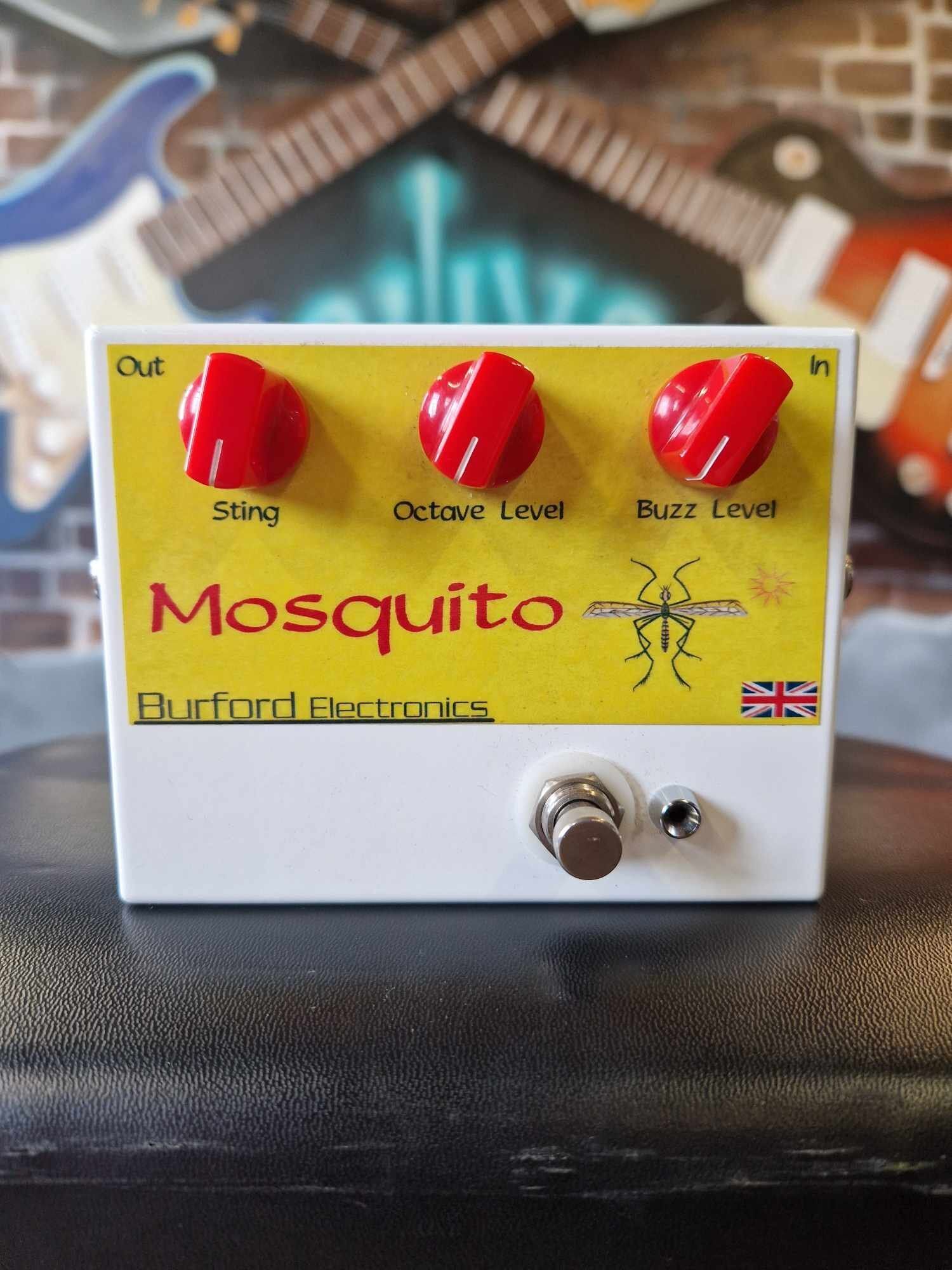
Burford Electronics Mosquito Fuzz Pedal Original - RefurbishedThis is a Burford Electronics Mosquito Fuzz Pedal. The Mosquito is a Fuzz/Octave pedal with a pretty unique sound, being closer to a fuzz more than a distortion this pedal delivers high octane fuzz sounds that will leave a sting. Here's what Burford Electronics say about the Mosquito Pedal: “A unique Octave up fuzz, which will give you pure fuzz on one twist of a knob & octave fuzz on one twist of another knob. So you can have your fuzz setting for a rich body & add octave fuzz to it or turn the fuzz down & just use the octave fuzz control for cutting lead. There is also a control called Sting, this is a tone filter that alters the voice of the octave from sharp to mellow. The octave is not over the top, on the lower register it is quite subtle, you can even play power chords and it holds together extremely well. Without that horrible modulation that is associated with some analogue octave up pedals, even some of the legendary expensive ones. Try soloing somewhere from the 8th fret upwards, it is very responsive and particularly so around 12th/15th fret and even higher. Neck and back pick ups give different sounds. Even playing positions will give different responses.”120,00 £*Shipping: 0,00 £Secure redirect to the provider
-
What is the difference between molality and molarity?
Molality and molarity are both measures of concentration, but they are calculated differently. Molarity is the number of moles of solute per liter of solution, while molality is the number of moles of solute per kilogram of solvent. This means that molarity depends on the volume of the solution, while molality depends on the mass of the solvent. As a result, molality is a more accurate measure of concentration when there are changes in temperature, as volume can change with temperature but mass remains constant. **
-
How are the pH value, normality, and molarity calculated?
The pH value is calculated using the formula pH = -log[H+], where [H+] is the concentration of hydrogen ions in a solution. Normality is calculated by multiplying the molarity of a solution by the number of equivalents of the solute. Molarity is calculated by dividing the number of moles of solute by the volume of the solution in liters. These calculations are important in chemistry for determining the concentration and acidity/basicity of a solution. **
-
Isn't the molar concentration the same as the molarity?
Yes, molar concentration and molarity are essentially the same thing. Both terms refer to the amount of a substance (in moles) dissolved in a given volume of solution (in liters). Molarity is the more commonly used term, but both can be used interchangeably to describe the concentration of a solution. **
-
Can you please explain to me how to calculate molarity?
Molarity is a measure of the concentration of a solute in a solution. It is calculated by dividing the number of moles of solute by the volume of the solution in liters. The formula for calculating molarity is: Molarity (M) = moles of solute / liters of solution. To calculate molarity, you first need to determine the number of moles of solute present in the solution, then divide that by the volume of the solution in liters. **
* All prices are inclusive of VAT and, if applicable, plus shipping costs. The offer information is based on the details provided by the respective shop and is updated through automated processes. Real-time updates do not occur, so deviations can occur in individual cases. ** Note: Parts of this content were created by AI.