Buy igyx.com ?
We are moving the project
igyx.com .
Are you interested in purchasing the domain
igyx.com ?
domain@kv-gmbh.de · 0541-91531010
Buy igyx.com ?
Is welding toxic?
Welding can be toxic due to the fumes and gases produced during the process. These fumes can contain harmful substances such as lead, cadmium, and chromium, which can pose serious health risks if inhaled. It is important for welders to take proper safety precautions, such as working in well-ventilated areas, wearing appropriate protective gear, and using respiratory protection, to minimize exposure to these toxic substances. **
How does ignition work in plasma welding and TIG welding?
In plasma welding, the ignition process involves creating a high-frequency, high-voltage spark between the tungsten electrode and the workpiece. This spark ionizes the gas flowing through the torch, creating a plasma arc that reaches temperatures of up to 30,000°C. In TIG welding, the ignition process is similar, where a high-frequency, high-voltage spark is used to initiate the arc between the tungsten electrode and the workpiece. The difference lies in the shielding gas used in TIG welding, which is typically argon or helium, compared to the plasma gas used in plasma welding. **

Similar search terms for Welding
Top-Angebote
Products related to Welding:
-
Adjustable Suction Welding Fixture Clamp For Precise Soldering And Electronics Work 3pcsBring precision and stability to every soldering job with a tool designed to keep wires, boards, and components exactly where you need them. This adjustable soldering fixture secures workpieces in place with its strong suction bracket and versatile...36,99 $*Shipping: 0,00 $Secure redirect to the provider
-
Low Temperature Solder Wire Repair Rods For Fast Metal & Electronics Welding 100gTackle repairs with confidence using these easymelt low temperature solder rods designed for smooth, reliable bonding without complicated tools or messy welding setups. Perfect for DIY users, electronics hobbyists, mechanics, and home repair...23,97 $*Shipping: 0,00 $Secure redirect to the provider
-
Welding Curtains Flame Resistant Vinyl Welding Screen With UV Protection Welding Curtains Flame Resistant Vinyl Welding Screen With UV ProtectionProtect your workspace and weld with greater confidence using this heavyduty welding screen curtain set designed for busy garages, workshops, and industrial environments. Built from durable flameresistant vinyl, these large 6 x 8FT curtains help...99,97 $*Shipping: 0,00 $Secure redirect to the provider
-
3 in 1 Butane Gas Soldering Iron Pen Torch For Welding, Heat Repair & DIY Electronics 3 in 1 Butane Gas Soldering Iron Pen Torch For Welding, Heat Repair & DIY ElectronicsTake on repairs and creative projects anywhere with this portable butane soldering torch designed for precision and convenience. Whether you're fixing electronics, crafting jewelry, or handling quick home repairs, this compact tool delivers fast...49,97 $*Shipping: 0,00 $Secure redirect to the provider


-
Where can one obtain a welding certificate for TIG welding?
One can obtain a welding certificate for TIG welding from various sources such as vocational schools, community colleges, trade schools, and welding certification organizations. These institutions offer specific TIG welding courses that provide hands-on training and instruction to prepare individuals for the certification exam. Additionally, some employers may also provide on-the-job training and certification opportunities for TIG welding. It is important to research and choose a reputable institution or organization that meets the necessary certification standards. **
-
Why does the welding machine whistle so loudly when welding steel?
The loud whistling sound produced by a welding machine when welding steel is due to the high temperature and pressure created during the welding process. As the welding arc heats the steel to its melting point, the intense heat causes the air around the welding area to expand rapidly, creating a high-pressure zone. This high-pressure air then escapes through the small openings in the welding machine, such as the nozzle or the electrode holder, producing the loud whistling sound. Additionally, the presence of impurities and contaminants in the steel can also contribute to the loud noise during welding. **
-
What is autogenous welding?
Autogenous welding is a welding process in which no filler material is added to the joint being welded. Instead, the base metal itself is used to create the weld. This process is often used in situations where the joint being welded is small and does not require additional material to create a strong bond. Autogenous welding can be done using various welding techniques, such as gas tungsten arc welding (GTAW) or gas metal arc welding (GMAW). **
-
What profession involves welding?
Welding is a crucial skill in the profession of a welder. Welders are responsible for joining metal parts together using various welding techniques such as arc welding, MIG welding, TIG welding, and more. They work in a variety of industries including construction, manufacturing, automotive, and aerospace, and are essential for creating and repairing metal structures and components. **


What is the difference between a welding inverter and a welding transformer?
The main difference between a welding inverter and a welding transformer lies in their design and functionality. A welding inverter is a more modern and compact device that converts AC power to DC power, allowing for greater control over the welding process and increased efficiency. On the other hand, a welding transformer is a more traditional device that steps down the voltage from the power source to the desired level for welding, but it is generally larger and less portable than an inverter. Inverters are also known for their ability to provide a smoother welding arc and better performance with a wider range of electrodes compared to transformers. **
What are the differences in autogenous welding between left and right welding?
In autogenous welding, the main difference between left and right welding lies in the direction of the welding torch movement. In left welding, the torch moves from right to left, while in right welding, the torch moves from left to right. This difference in torch movement can affect the heat distribution and welding bead formation, leading to variations in the final weld quality and appearance. It is important for welders to be proficient in both left and right welding techniques to ensure consistent and high-quality welds. **
Top-Angebote
Products related to Welding:
-
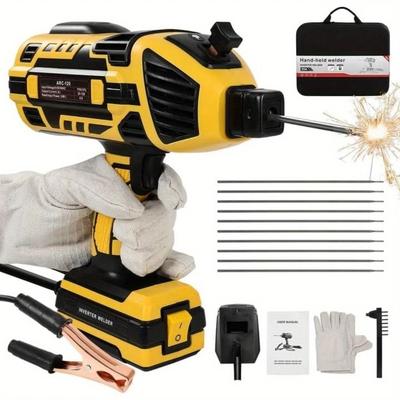
Portable Handheld Welding Machine With IGBT Inverter Technology Portable Handheld Welding Machine With IGBT Inverter TechnologyExperience professional welding power in a compact and lightweight design. This portable handheld welding machine uses advanced IGBT inverter technology for stable arcs, reduced splatter, and smooth performance. Perfect for DIY projects, automotive...170,97 $*Shipping: 0,00 $Secure redirect to the provider
-
Adjustable Wire Soldering Holder Cable Clamp Welding Wire Fixture For Electronics Repair Adjustable Wire Soldering Holder Cable Clamp Welding Wire Fixture For Electronics RepairWorking with small wires can be tricky without the right support. This wire soldering holder is designed to keep cables steady and secure, making your soldering tasks easier and more precise. Built as a durable cable clamp holder, it firmly grips...47,98 $*Shipping: 0,00 $Secure redirect to the provider
-
Adjustable Suction Welding Fixture Clamp For Precise Soldering And Electronics Work 3pcsBring precision and stability to every soldering job with a tool designed to keep wires, boards, and components exactly where you need them. This adjustable soldering fixture secures workpieces in place with its strong suction bracket and versatile...36,99 $*Shipping: 0,00 $Secure redirect to the provider
-
Low Temperature Solder Wire Repair Rods For Fast Metal & Electronics Welding 100gTackle repairs with confidence using these easymelt low temperature solder rods designed for smooth, reliable bonding without complicated tools or messy welding setups. Perfect for DIY users, electronics hobbyists, mechanics, and home repair...23,97 $*Shipping: 0,00 $Secure redirect to the provider
-
Is welding toxic?
Welding can be toxic due to the fumes and gases produced during the process. These fumes can contain harmful substances such as lead, cadmium, and chromium, which can pose serious health risks if inhaled. It is important for welders to take proper safety precautions, such as working in well-ventilated areas, wearing appropriate protective gear, and using respiratory protection, to minimize exposure to these toxic substances. **
-
How does ignition work in plasma welding and TIG welding?
In plasma welding, the ignition process involves creating a high-frequency, high-voltage spark between the tungsten electrode and the workpiece. This spark ionizes the gas flowing through the torch, creating a plasma arc that reaches temperatures of up to 30,000°C. In TIG welding, the ignition process is similar, where a high-frequency, high-voltage spark is used to initiate the arc between the tungsten electrode and the workpiece. The difference lies in the shielding gas used in TIG welding, which is typically argon or helium, compared to the plasma gas used in plasma welding. **
-
Where can one obtain a welding certificate for TIG welding?
One can obtain a welding certificate for TIG welding from various sources such as vocational schools, community colleges, trade schools, and welding certification organizations. These institutions offer specific TIG welding courses that provide hands-on training and instruction to prepare individuals for the certification exam. Additionally, some employers may also provide on-the-job training and certification opportunities for TIG welding. It is important to research and choose a reputable institution or organization that meets the necessary certification standards. **
-
Why does the welding machine whistle so loudly when welding steel?
The loud whistling sound produced by a welding machine when welding steel is due to the high temperature and pressure created during the welding process. As the welding arc heats the steel to its melting point, the intense heat causes the air around the welding area to expand rapidly, creating a high-pressure zone. This high-pressure air then escapes through the small openings in the welding machine, such as the nozzle or the electrode holder, producing the loud whistling sound. Additionally, the presence of impurities and contaminants in the steel can also contribute to the loud noise during welding. **
Similar search terms for Welding
-
Welding Curtains Flame Resistant Vinyl Welding Screen With UV Protection Welding Curtains Flame Resistant Vinyl Welding Screen With UV ProtectionProtect your workspace and weld with greater confidence using this heavyduty welding screen curtain set designed for busy garages, workshops, and industrial environments. Built from durable flameresistant vinyl, these large 6 x 8FT curtains help...99,97 $*Shipping: 0,00 $Secure redirect to the provider
-
3 in 1 Butane Gas Soldering Iron Pen Torch For Welding, Heat Repair & DIY Electronics 3 in 1 Butane Gas Soldering Iron Pen Torch For Welding, Heat Repair & DIY ElectronicsTake on repairs and creative projects anywhere with this portable butane soldering torch designed for precision and convenience. Whether you're fixing electronics, crafting jewelry, or handling quick home repairs, this compact tool delivers fast...49,97 $*Shipping: 0,00 $Secure redirect to the provider
-
Fireproof Welding Protection Pad Fireproof Welding Protection PadProduct Description Protect your work surfaces with this fireproof welding protection pad designed to withstand high temperatures. Durable and heat resistant, it helps shield tables, floors, and equipment during welding, soldering, and highheat...50,97 $*Shipping: 0,00 $Secure redirect to the provider
-
Auto Darkening Welding Helmet Auto Darkening Welding HelmetProduct Description Work safely and efficiently with this Auto Darkening Welding Helmet. Designed with a highend autodarkening lens and impactresistant construction, it provides reliable eye and face protection while ensuring clear visibilityideal...79,97 $*Shipping: 0,00 $Secure redirect to the provider
-
What is autogenous welding?
Autogenous welding is a welding process in which no filler material is added to the joint being welded. Instead, the base metal itself is used to create the weld. This process is often used in situations where the joint being welded is small and does not require additional material to create a strong bond. Autogenous welding can be done using various welding techniques, such as gas tungsten arc welding (GTAW) or gas metal arc welding (GMAW). **
-
What profession involves welding?
Welding is a crucial skill in the profession of a welder. Welders are responsible for joining metal parts together using various welding techniques such as arc welding, MIG welding, TIG welding, and more. They work in a variety of industries including construction, manufacturing, automotive, and aerospace, and are essential for creating and repairing metal structures and components. **
-
What is the difference between a welding inverter and a welding transformer?
The main difference between a welding inverter and a welding transformer lies in their design and functionality. A welding inverter is a more modern and compact device that converts AC power to DC power, allowing for greater control over the welding process and increased efficiency. On the other hand, a welding transformer is a more traditional device that steps down the voltage from the power source to the desired level for welding, but it is generally larger and less portable than an inverter. Inverters are also known for their ability to provide a smoother welding arc and better performance with a wider range of electrodes compared to transformers. **
-
What are the differences in autogenous welding between left and right welding?
In autogenous welding, the main difference between left and right welding lies in the direction of the welding torch movement. In left welding, the torch moves from right to left, while in right welding, the torch moves from left to right. This difference in torch movement can affect the heat distribution and welding bead formation, leading to variations in the final weld quality and appearance. It is important for welders to be proficient in both left and right welding techniques to ensure consistent and high-quality welds. **
* All prices are inclusive of VAT and, if applicable, plus shipping costs. The offer information is based on the details provided by the respective shop and is updated through automated processes. Real-time updates do not occur, so deviations can occur in individual cases. ** Note: Parts of this content were created by AI.